.png)
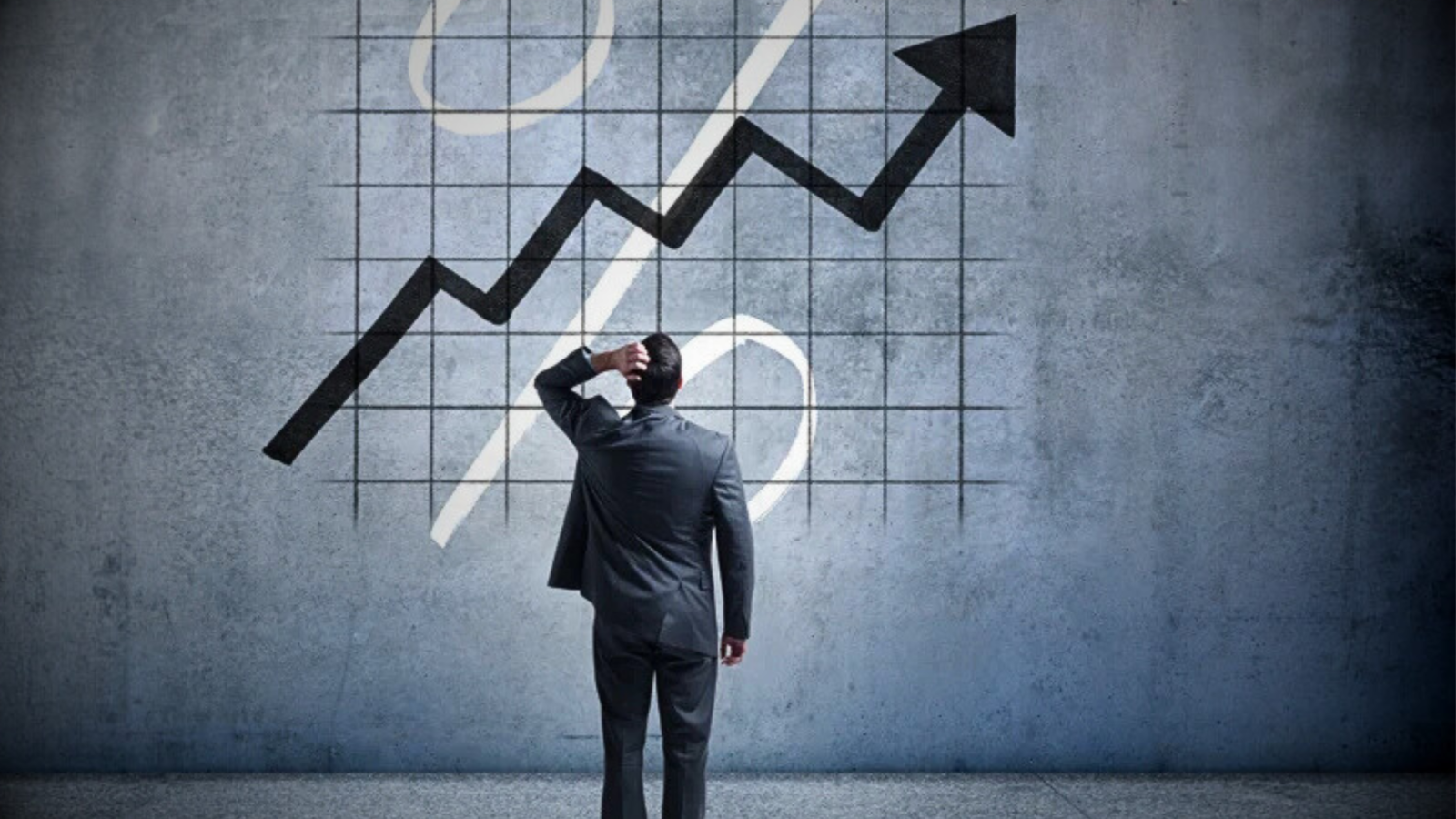
You’ve probably seen it on the news: “The Fed might raise rates again.” People talk about it like it’s a big deal — because it is. But unless you work on Wall Street or study economics for fun, it might just sound like another financial buzzword.
So let’s unpack this in real words. If you’ve ever wondered what happens if the Fed raises the discount rate, here’s the story.
One Small Rate, Big Ripple Effect
Picture this: the discount rate is basically what regular banks pay when they borrow quick, short-term cash straight from the Federal Reserve. Think of the Fed as the ultimate backup bank — the bank for banks.
It’s not money you and I borrow directly, but it shapes the costs banks face. When that rate goes up? Banks feel it first. And they rarely keep that extra cost to themselves.
Why Would the Fed Even Do This?
Raising this rate isn’t random. It’s like tapping the brakes on an economy that’s maybe going too fast.
Too much spending, prices creeping up too quickly, your grocery bill feeling bigger every month? That’s inflation. And the Fed hates runaway inflation.
So a higher discount rate makes money a little more expensive for banks to grab. The goal? Slow down the borrowing party just enough to cool prices.
Okay, So What Actually Changes?
If you’ve ever asked yourself what happens if the Fed raises the discount rate, here’s how it usually goes:
Banks might borrow less from the Fed’s “discount window.” Because, who wants to pay extra? Then they look at you — the customer — and say, “Hey, we need to cover our costs.” So lending gets pricier.
That car loan? Might have a slightly higher rate. Credit card APRs can inch up. Business loans? Same deal. Over time, folks think twice about taking on debt when it costs more to repay.
Less borrowing means less spending. And less spending? That’s the Fed’s not-so-secret plan to stop prices from shooting up.
A Ripple That Hits Home
A tiny percentage hike doesn’t seem like much, right? But it adds up.
Let’s say you’ve got your eye on a new house. Mortgage rates don’t jump the day the Fed announces a change, but they follow the trend. If banks’ costs go up, they tighten things on their end.
Suddenly that mortgage rate might be half a point higher than last year. Maybe your payment jumps by hundreds per month. Some buyers decide to wait. Sellers drop prices to attract them back. That’s how a Fed rate move can reach your neighborhood open house.
It’s Not Just About Loans
It can show up in other corners, too. Small businesses that might have used a loan to expand or hire a few more people might hold off. That new restaurant you were excited for? Maybe they pause construction. Big companies do the same — fewer factories, less equipment, slower hiring.
When people ask what happens if the Fed raises the discount rate, they’re really asking how that chain reaction slows the economy down just enough to keep prices under control.
But Wait — Does It Always Work Like That?
Well… in theory. It’s not an exact science. If the economy’s already shaky, higher borrowing costs can slow it down more than the Fed planned. They want to tap the brakes, not slam them.
That’s why the Fed tries to signal its moves in advance. Markets brace for it. Banks adjust. People have time to plan.
Savers Might Smile a Little
Here’s one upside. If you’re more of a saver than a spender, higher rates can help you out. Banks might boost savings account yields. You might get a better CD rate than you did two years ago.
Is it enough to retire on? Probably not. But if you’ve been stuck earning pennies in interest, it’s something.
So Who Feels It Most?
People carrying big credit card balances might groan first. Those rates adjust fast. Homebuyers, especially first-timers, notice when mortgage rates rise. And small businesses that run on loans can feel the pinch.
Basically, anyone who borrows money — which is a lot of us.
A Tiny Lever, A Big Balance
When the Fed tweaks the discount rate, they’re balancing two things:
- Keep inflation from getting out of control.
- Don’t kill economic growth altogether.
It’s tricky. Do too little, prices keep climbing. Do too much, the economy cools off more than anyone wants.
So, what happens if the Fed raises the discount rate? Banks feel it first. You and I feel it soon after — in different ways.
One Example to Remember
Think back to the early 80s, when inflation was nuts. The Fed hiked rates big-time. Borrowing got expensive fast. People couldn’t afford huge mortgages. Car sales dipped. But inflation finally came down.
So this isn’t just theory. We’ve seen the effect of raising the discount rate in real life.
Should You Freak Out?
Nope. One small bump doesn’t flip your world upside down overnight. But if you’re planning to buy a house, start a business, or carry a lot of debt, it’s smart to watch the trend.
And if you’re saving? Well, maybe celebrate those better CD rates. For more easy money tips, keep thetopeleven.com bookmarked.
So, Bottom Line?
If you ever hear your neighbor or a co-worker ask, “what happens if the Fed raises the discount rate?” you can say this:
It means banks pay more to borrow from the Fed. That cost usually finds its way to us — loans, credit cards, mortgages. The goal is to slow spending a bit and keep prices steady. It’s not magic, but it’s one of the tools the Fed has to steer the economy.
Stay One Step Ahead
Want to keep your wallet ready for rate changes? For extra savings, grab verified deals anytime at coupons.thetopeleven.com — your easy go-to for discounts when the economy feels unpredictable.